
News Literacy
Learning to appreciate and analyze the news media and participate actively as a citizen are vital dimensions of media literacy education. Today's students need to learn to critically analyze news and journalism that comes to them through social media, exploring how people's likes and share affects how news spreads. Because news consumers now have greater influence than ever, a deep understanding of how news constructs social reality enables learners to appreciate how journalism can either reinforce or challenge the status quo.
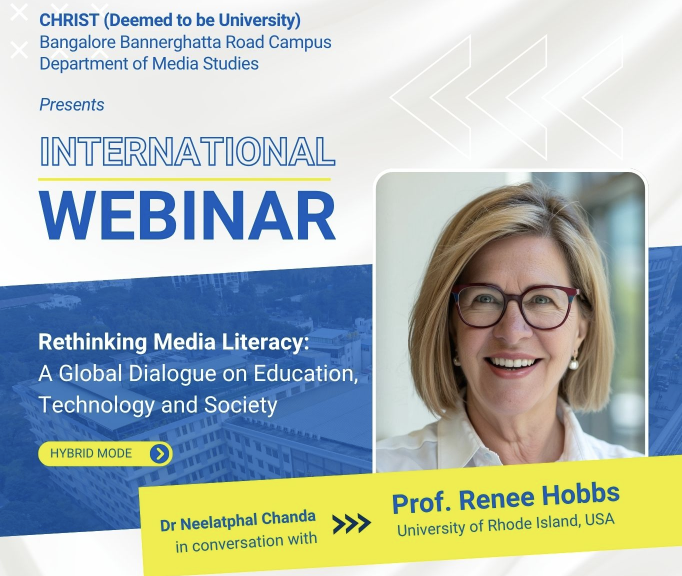
Rethinking Media Literacy
DATE: TIME: Friday, November 6, 2026LOCATION: Online. Google Meet.
Read More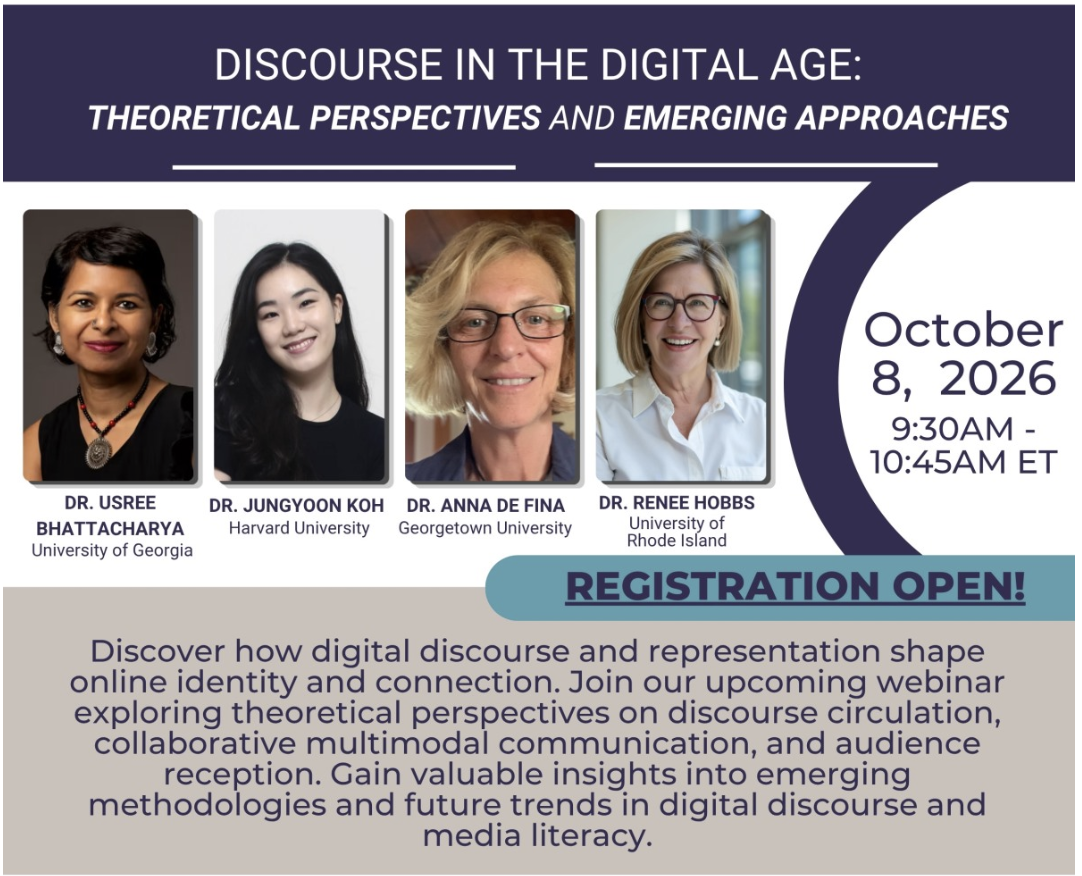
Discourse in a Digital Age
The American Association for Applied Linguistics (AAAL) Online Education and Outreach Committee is offering a webinar, sponsored by the Discourse and Interaction (DIS), Language and Technology (TEC), and Language, Culture, Socialization and Pragmatics (LCS) strands. …
Read More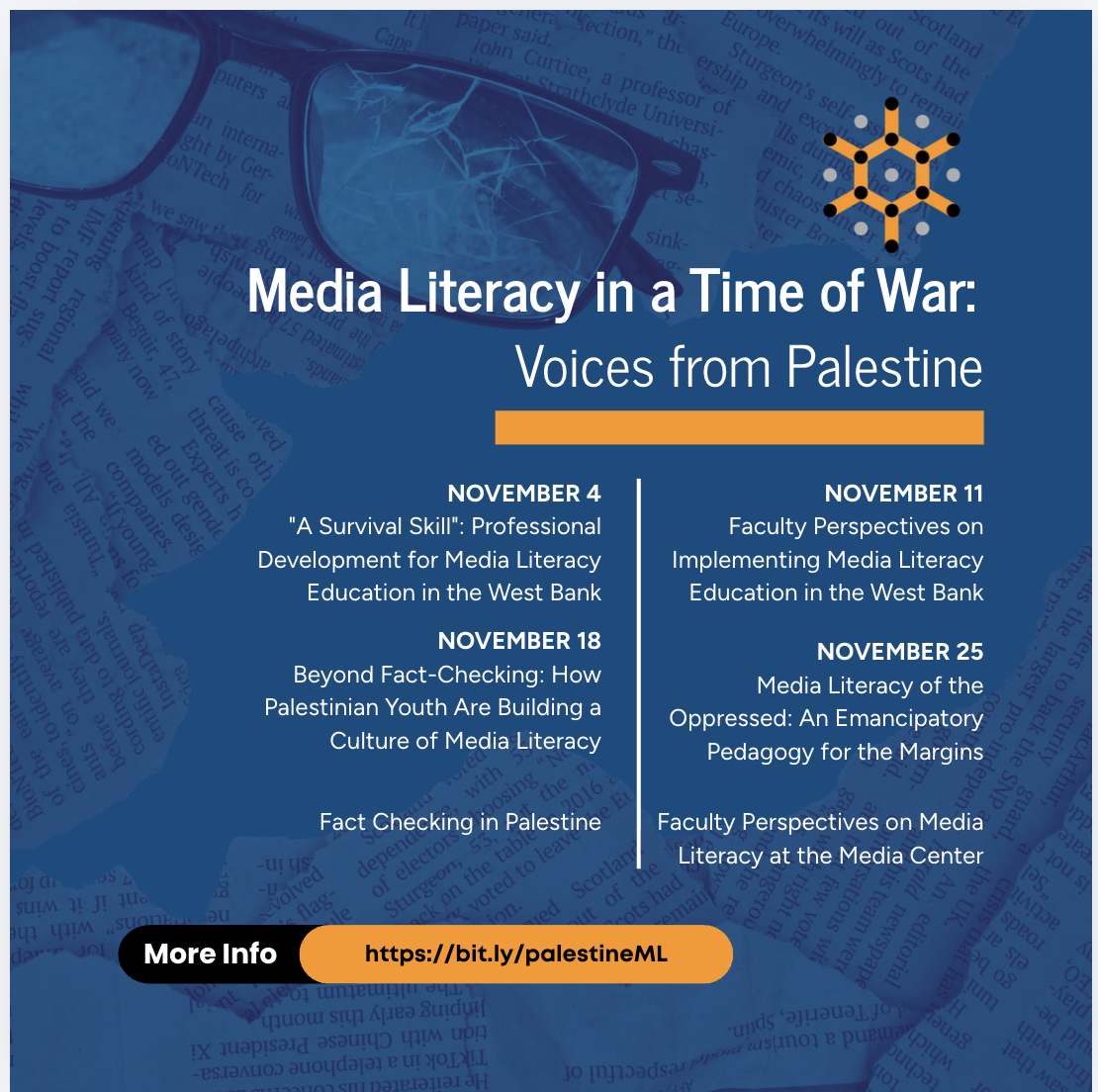
Media Literacy in a Time of War
Media Literacy in a Time of War: Voices from PalestineFor young people in the West Bank, questioning a viral image isn't a classroom exercise. It's a matter of safety. This free six-part webinar series brings educators, researchers, students and activists from around the world together with the Palestinian faculty and youth who have been building media literacy under occupation, war and…
Read More
Meet the Pridebrarian
Jess Dotson is a media literacy activist with a passion for issues related to representation. She's an Emmy-nominated TV producer with a degree in Media Studies. @PrideBrary on YouTube has 60K followers, and it is her personal creator project, with the tagline: "we're like a library but, you know... with pride." She makes video-essay / infotainment media criticism about LGBTQ+, race and…
Read More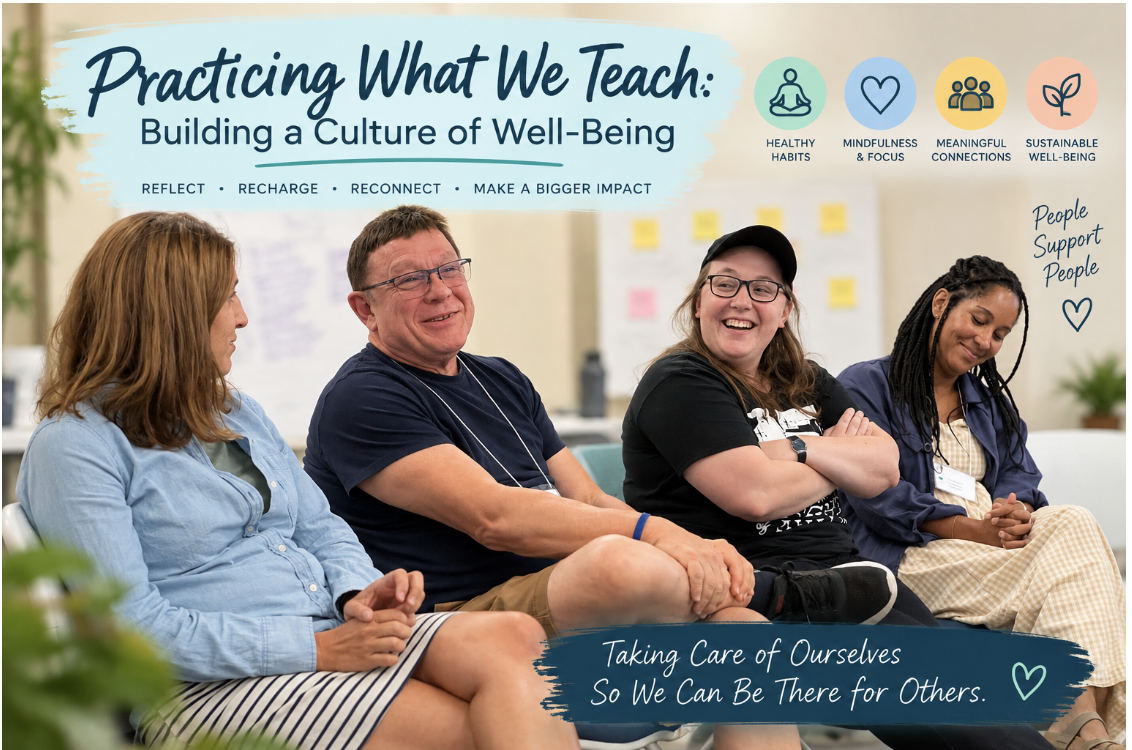
Cultivating Human-Centered Well-Being
The University of Rhode Island is hosting the second Digital Learning Exchange under the leadership of Kara Clayton DATE: Monday, September 21, 2026 TIME: 6:30-8:00 PM EST. LOCATION: Online TO REGISTER: If you would like to attend this session, …
Read More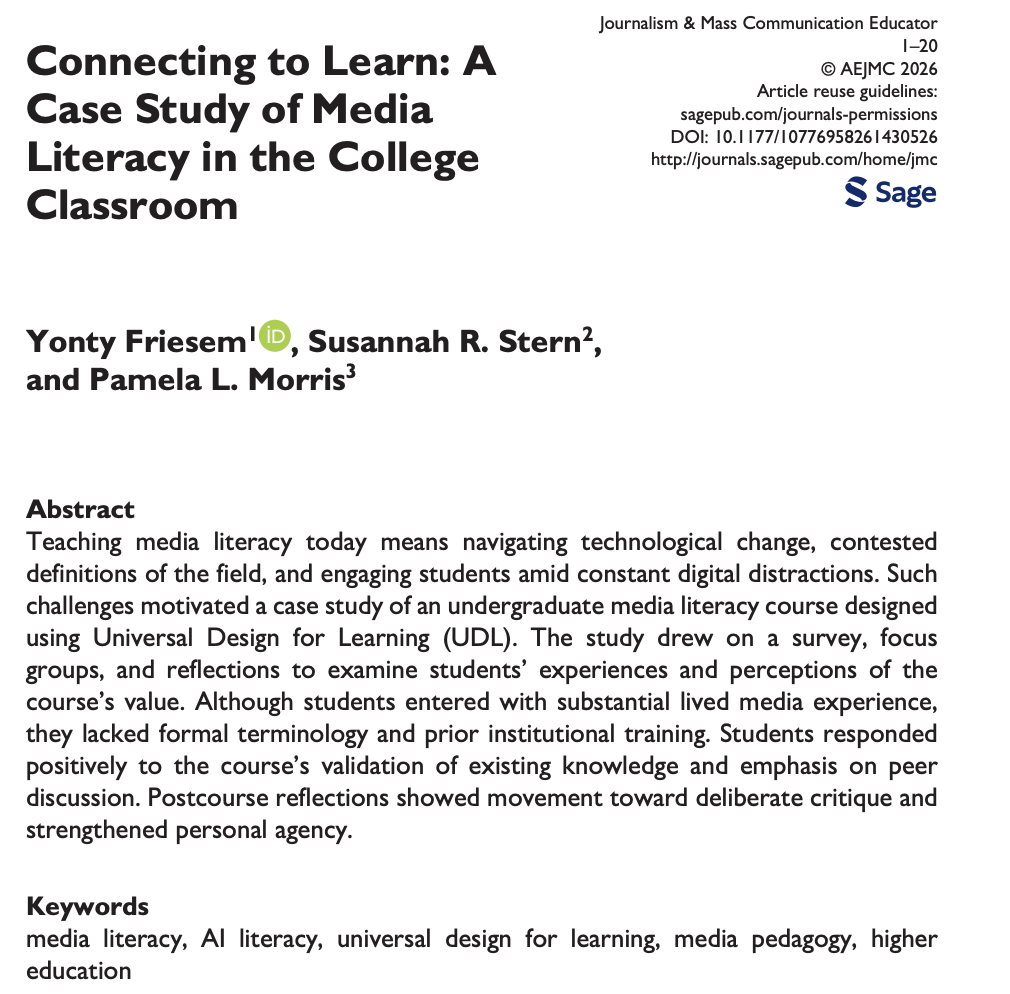

Developing a Professional Learning Community for Media Literacy in Palestine
In the West Bank, Educators Reframe Media Literacy as a Survival Skill for Life Under Conflict A 21-month U.S. State Department–funded program trained 17 Palestinian educators, reached 138 youth through youth workshops, and amplified young Palestinians’ media literacy creative work to reach 4.9 million…
Read More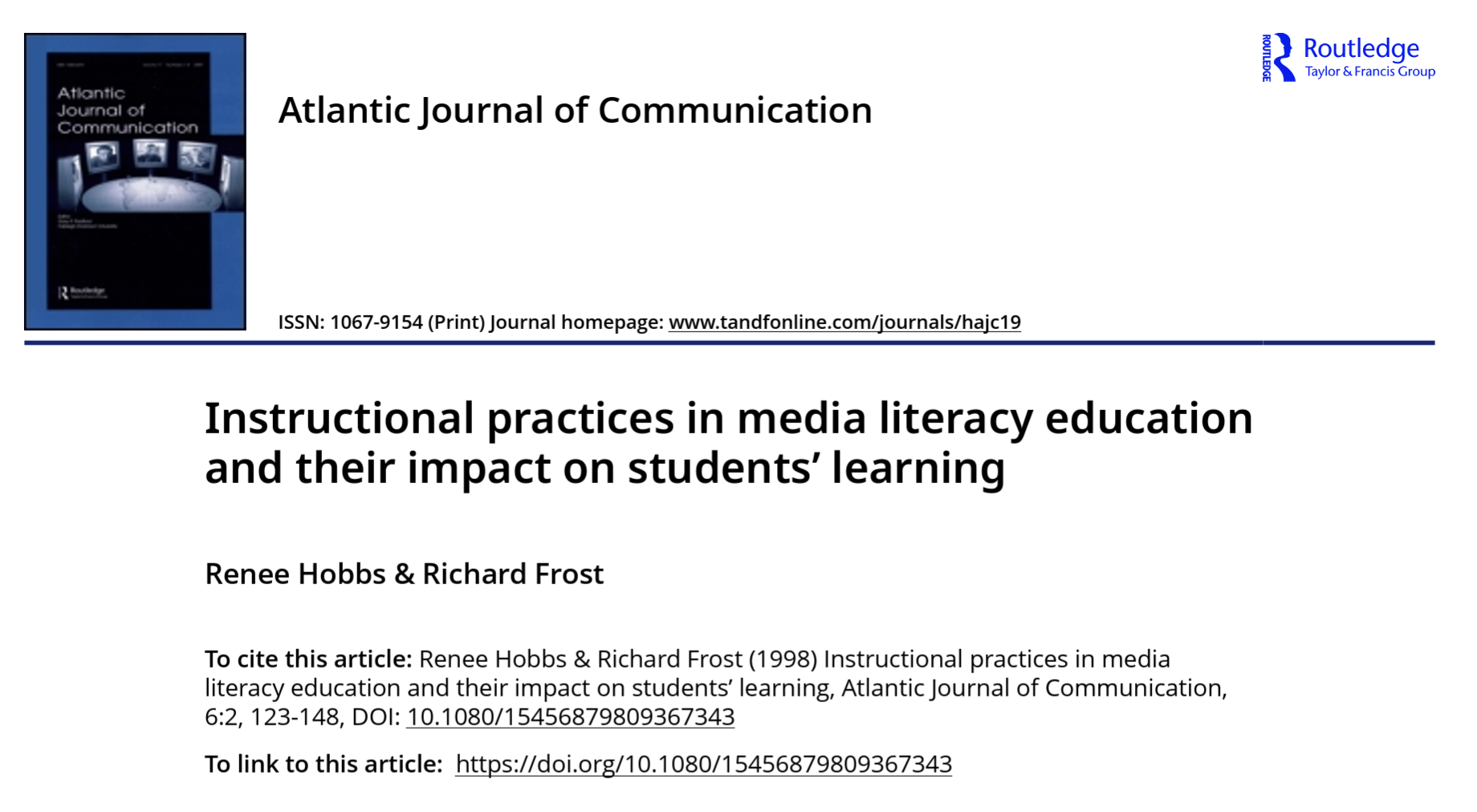
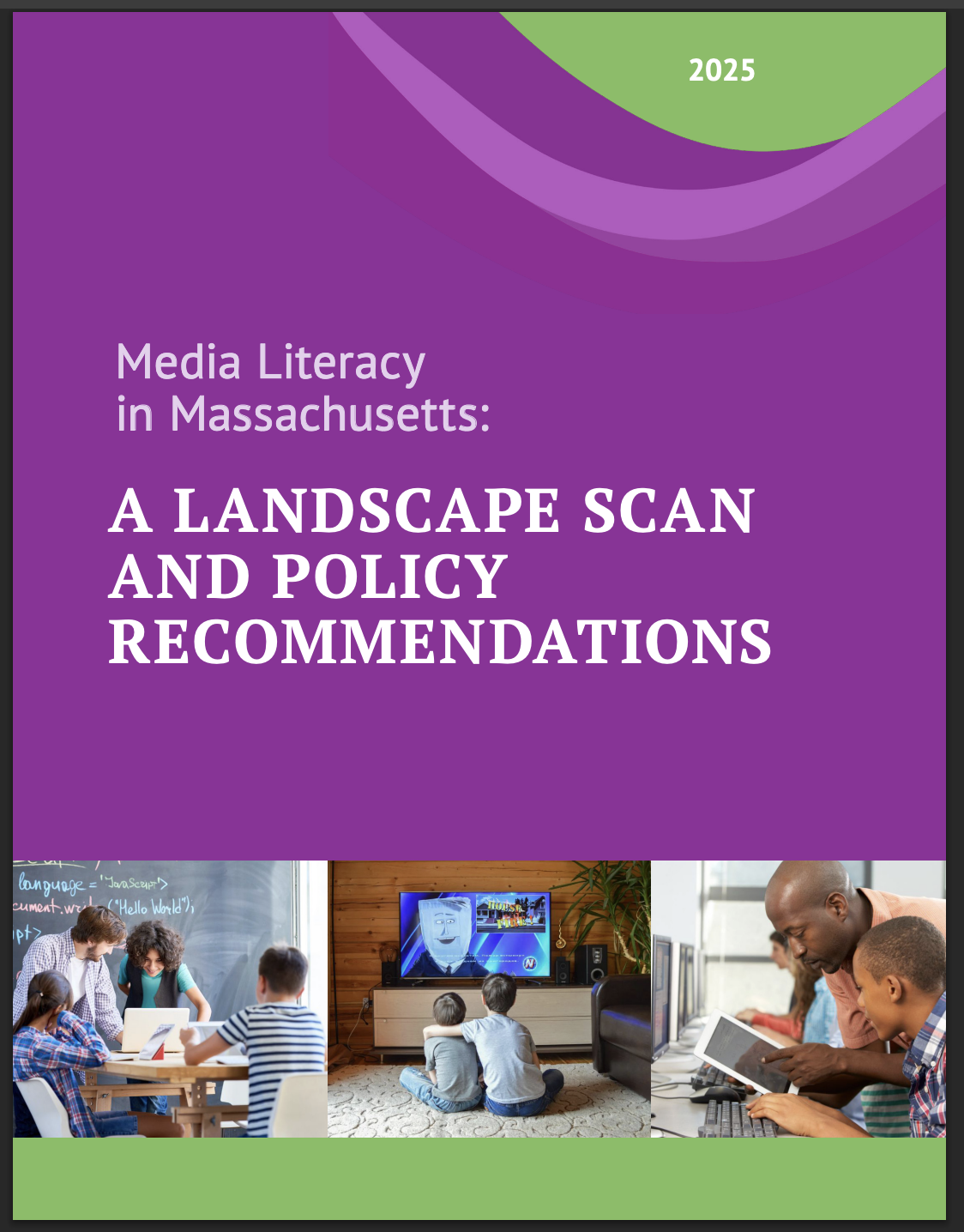
Media Literacy in Massachusetts: A Landscape Scan
The first-ever major statewide initiative to document the scope of media literacy education in American public schoolsClick here to read the report To better understand the status, challenges, and opportunities for advancing media literacy…
Read More
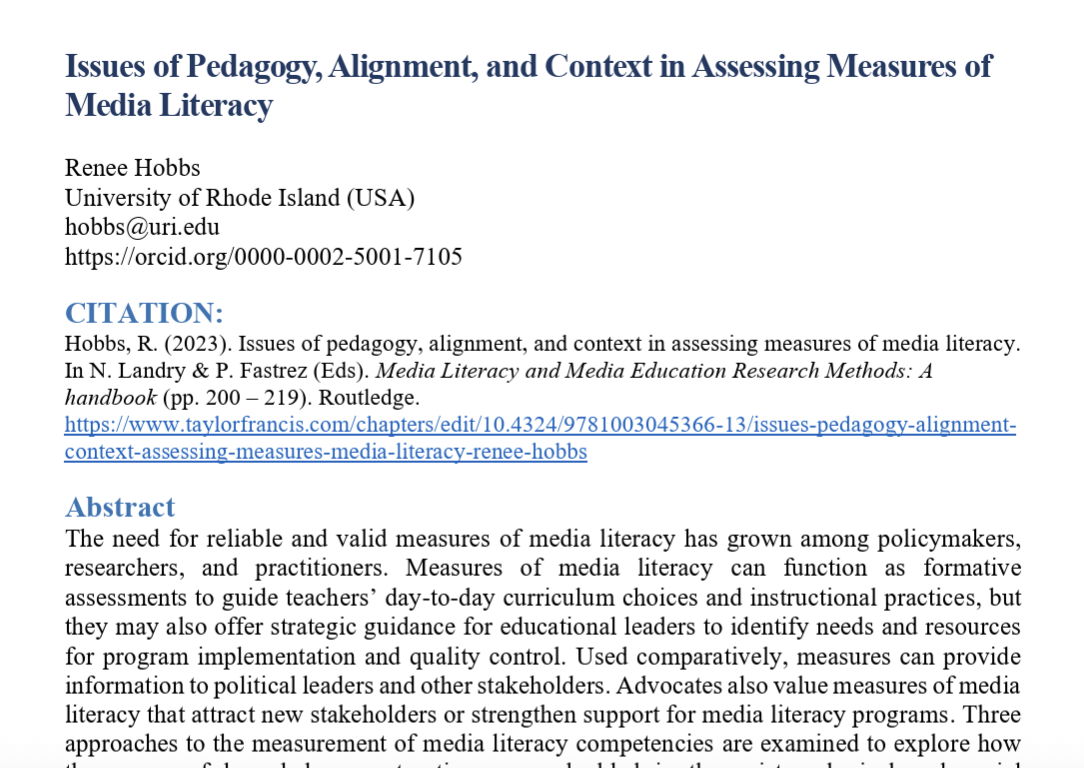
Instructional Practices of Media Literacy: Lesson Plans
@import url('https://fonts.googleapis.com/css2?family=DM+Sans:wght@400;500;700&display=swap'); .mel-lessons{--teal:#1D5C63;--teal-2:#246A72;--teal-line:#4B8990;--mist:#F5F9F9;--mist-2:#E6F0F1;--ink:#1E2B30;--body:#4E5E66;--muted:#5B6B73; --orange:#F0983A;--red:#E03127;--purple:#9B27B5;--blue:#55BBD5;--green:#8BC34A; font-family:'DM Sans',Arial,sans-serif;color:var(--ink);line-height:1.5;-…
Read More
Your Turn to Talk
Now you can participate in online dialogue with people from across the country and around the world with "Your Turn to Talk," a digital interactive learning experience made especially for Renee Hobbs' book, Media Literacy in Action, 2nd edtion. …
Read More
Courageous Conversations
Bring media literacy and active listening to middle school, high school, college and adult learnersWith support from talented educators and experts who participated in the program, we’re proud to bring you the Courageous Conversations Curriculum. This book contains a collection of materials to help you bring media literacy and active listening into your middle school, high school or college…
Read More
Assignment: Media Literacy
After 25 years, it's still the most popular resource from the Media Education Lab!This is the 18-unit curriculum created by Renee Hobbs and colleagues in 1998! You will be pleased to see how timeless and relevant these lessons continue to be!You can download the PDF files with lesson plans and reproducibles for each unit and use the videos to teach media literacy in conjunction with social…
Read More