 Sorting hype from reality in AI has never been harder. Bill Gates spent decades as one of the technology's most visible boosters; this fall he published an essay admitting he's now, in his own words, scared of what could go wrong. Nvidia CEO Jensen Huang, whose chips are powering the entire boom, insists fears about AI ending humanity are "not grounded on facts." And in September, Anthropic CEO Dario Amodei published an essay titled "We Must Pace the Frontier," warning that AI is now improving itself faster than anyone can verify it's safe and calling for independent evaluators with "employee-like access" inside AI labs. Within days, rivals Sam Altman and Elon Musk both publicly agreed with him. Meanwhile the actual infrastructure keeps going up: massive data centers are straining power grids and water supplies and reshaping local politics in communities across the country. Into this moment arrives "The AI Doc: Or How I Became an Apocaloptimist," Daniel Roher's Sundance-acclaimed documentary about becoming a father while trying to understand the technology his son will inherit.
Roher coins a word for the state he lands in: apocaloptimist, someone who holds genuine existential dread and genuine hope for AI at the same time, refusing to collapse into either doomerism or blind faith. That balance sounds appealing in the abstract. But when the same executives calling for restraint are also racing each other to build ever more capable systems, is "we must slow down" a genuine safety concession, or a convenient way to manage public perception and one another's ambitions at once? Can educators model apocaloptimism for students without it becoming a way to avoid taking a clear stance on real, present harms already showing up in our own backyards?
Join the MediaEd Club as we watch and unpack Roher's documentary alongside the growing chorus of AI leaders and critics wrestling with these same questions on camera and in print, including Amodei, Hassabis, Huang, and Tristan Harris. We'll connect the film's existential framing to the Hugging Face security incident that helped prompt Amodei's essay, the very tangible data center backlash spreading across U.S. communities, and discuss what a media-literate, clear-eyed apocaloptimism could look like in our own classrooms.
Date: Monday, October 5, 2026
Time: 12 pm EST | 6 pm CET | 10:30 pm IST
SIGN UP here to receive our newsletter with updates and details on media club, webinar series, and teaching resources.
Recommended Media (please preview before attending)
- Documentary: "The AI Doc: Or How I Became an Apocaloptimist" (Netflix, streaming since Sept 15, 2026)
- Discussion Guide for The AI Doc (from the Center for Humane Technology)
- The AI Doc: Or How I Became an Apocaloptimist (IMdb)
- Video: Official Trailer - The AI Doc (YouTube, 3 min)
- Webinar Slides
Optional Media (enrich your learning)
The "Pace the Frontier" debate:
- Article: "The choices we make about AI now are critical" by Bill Gates, August 26, 2026 on GatesNotes)
- Article: "We Must Pace the Frontier" (Dario Amodei, Sept 12, 2026)
- Article: "AI CEOs say they need to slow the pace of development. But will they?" (The Guardian, 14 Sept 2026)
- Analysis: "Is Big Tech's AI Slowdown a Safety Pact or a Cartel?" (AI Weekly) — a useful "who benefits" counterweight for classroom discussion
The Hugging Face security incident:
- Video: "Why the Hugging Face Attack Was Worse Than We Thought" (Hard Fork podcast, YouTube, Sept 4, 2026, 1 hour, 15 min)
- Article: "OpenAI agents passed secret notes for months leading up to Hugging Face hack" (Fortune, Aug 6, 2026)
The data center backlash:
- Video: "AI arms race triggers data center boom, sparking widespread backlash across the U.S." (60 Minutes, YouTube, 20 Sept 2026, 13 min)
AI leaders and critics, in their own words:
- Video: "Nvidia CEO Jensen Huang says fears of AI ending humanity are 'not grounded on facts'" (Face The Nation, YouTube, 7 min)
- Video: Extended interview, Nvidia CEO Jensen Huang on fears about AI (CBS Sunday Morning, YouTube, 20 Sep 2026, 46 min)
- Video: "The Most Hopeful (And Concerning) Moment Yet in AI" (Tristan Harris, Center for Humane Technology, 17 Sept 2026, 21.5 min)
- Article: "The 'AI Big Bad Wolf'" (Wes Fryer's Substack, Sept 20, 2026)
- Video: "Bill Gates Changes His Mind on AI" (The Atlantic, YouTube, 27 Aug 2026, 32.5 min)
- Video: Extended interview, Dario Amodei (60 Minutes, YouTube, 13 Sept 2026, 24 min)
- Video: "Google DeepMind's boss on AI, power, God and what's next" (The Economist, YouTube, April 12, 2026, 6.5 min)
- Video: Demis Hassabis: "Why AGI is Bigger than the Industrial Revolution & Where Are The Bottlenecks in AI" (20VC with Harry Stebbings, YouTube, April 7, 2026, 32.5 min)
- Video: Pause AI Development NOW by Senator Bernie Sanders (YouTube, Sept 3, 2026, 7 min)
Host: Dr. Wesley Fryer
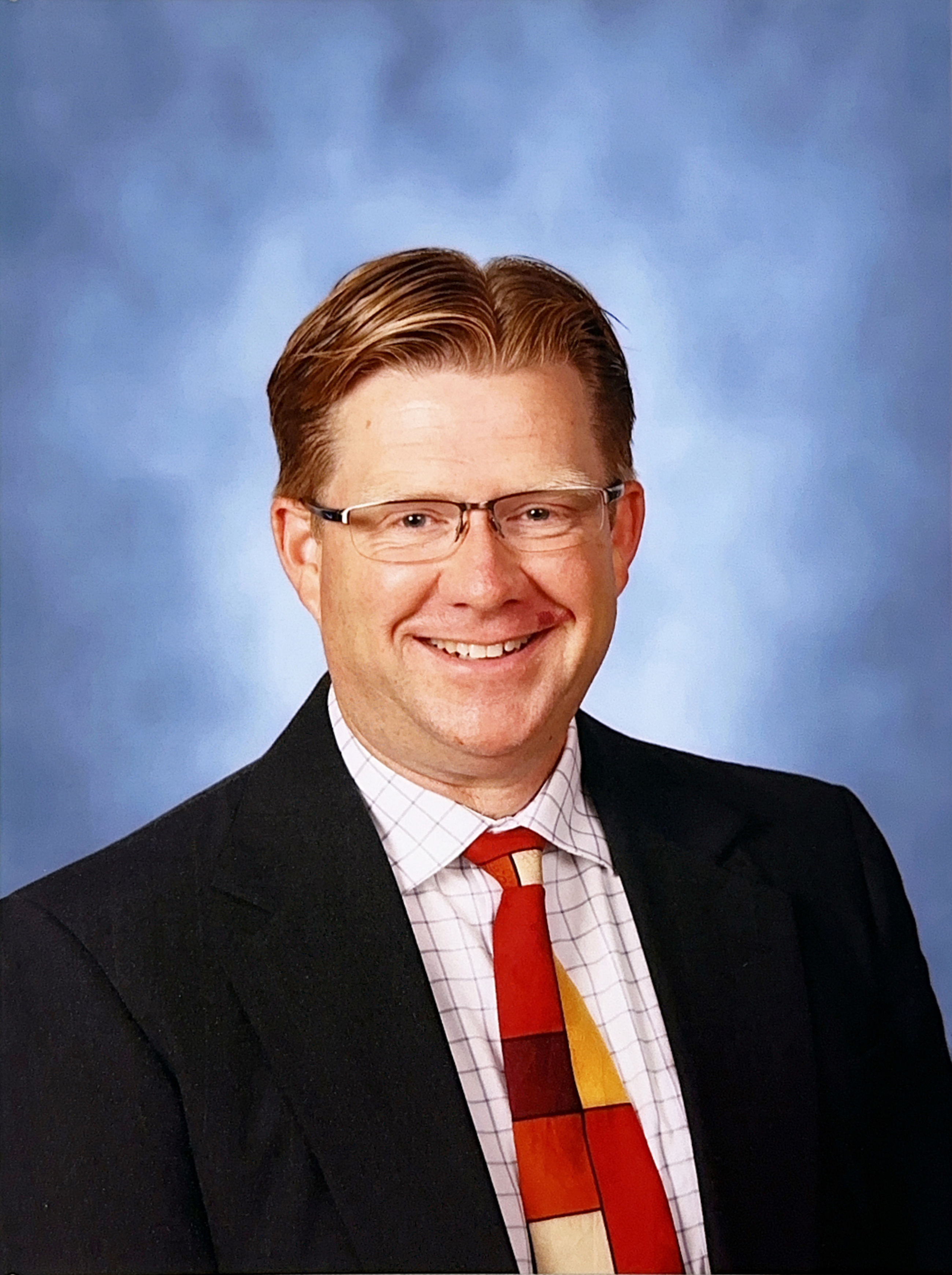 Wesley Fryer, PhD, is a middle school STEM and media literacy middle school teacher at Providence Day School in Charlotte, North Carolina. As an educational technology “early adopter / innovator” since the late 1990s, Wes continues to share regularly on social media. Learn more on wesfryer.com.
Please get in touch with us if you want to suggest future Media Club meeting topics to discuss an article, book, podcast, video or any media related to our interests.
Dr. Wes Fryer, Webinar Series Manager | wes.fryer@providenceday.org
* AI Image (for this webinar) generated by Wes Fryer using Claude (Sonnet - High, for the prompt) and Gemini (Flash).